Agentic AI Explained: What It Actually Does

Is handing real-world tasks to autonomous AI agents safe right now?
Share what you have actually seen an AI agent do or fail to do, and where you would or would not trust one today.
What an agent actually is
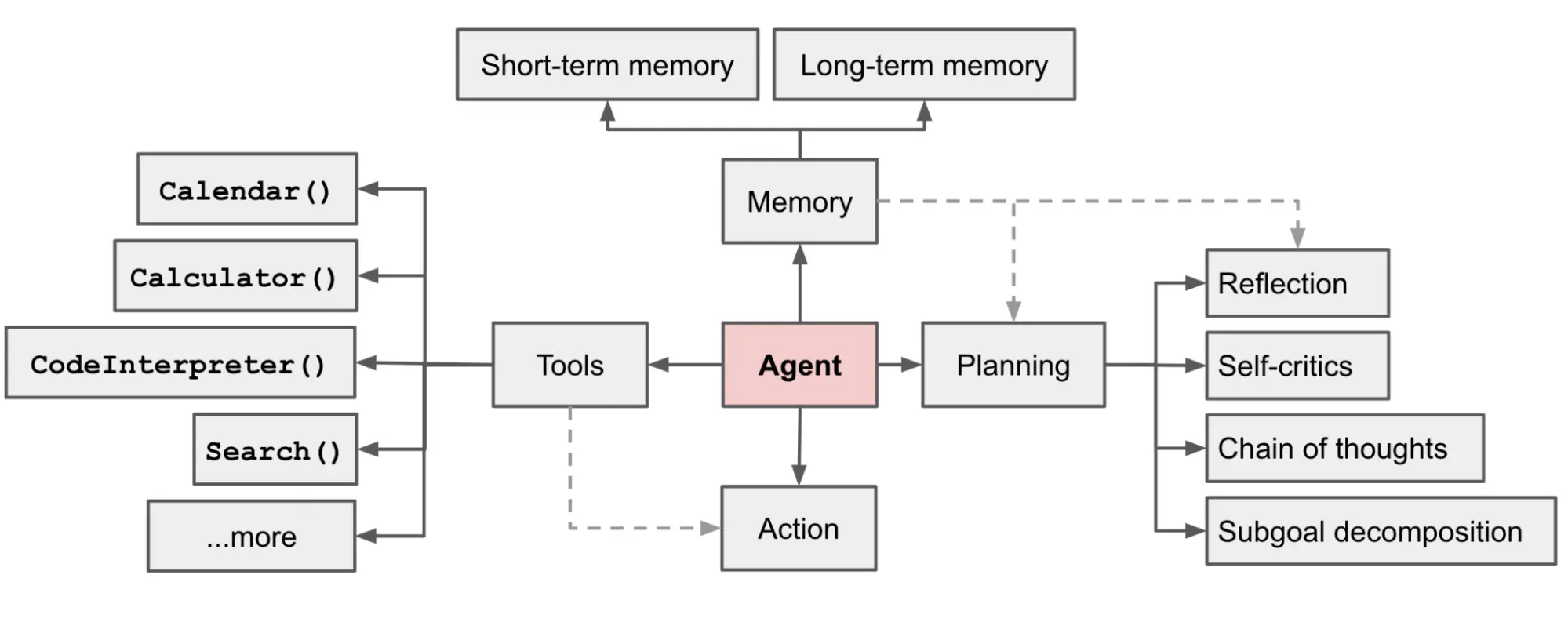
An AI agent has four components that a plain chatbot lacks. First, a memory system to hold context across steps. Second, a planner that breaks a goal into ordered sub-tasks. Third, a set of tools it can call (web search, code execution, file writing, APIs). Fourth, a feedback loop that reads tool output and decides what to do next. Strip any one of those out and you have a smarter chatbot, not an agent. The practical result: tell it to research a topic, draft a report, check the facts, and email it to you. It does all of that without a human in the loop. The limits are real too. Agents fail silently when tools return unexpected output, can spiral into loops, and have no common sense about when to stop and ask.
Real use today: software development (writing, running, and fixing code autonomously), customer support ticket resolution, and research synthesis.
Real limits today: hallucinating tool outputs, getting stuck in loops, poor judgment on when a task is actually finished, and no awareness of cost.