
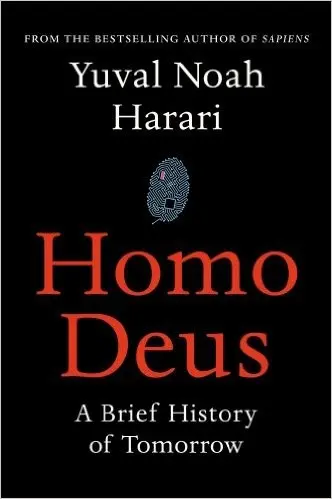
Homo Deus
We conquered famine, plague, and war. Now we want to upgrade the human species. Nobody has asked whether we should.
The Next Project
Yuval Noah Harari's 2015 follow-up to Sapiens traces humanity's likely trajectory now that its ancient enemies of famine, plague, and violent conflict have been largely reduced. The new agenda is immortality, happiness, and godlike capabilities delivered by biotechnology and artificial intelligence. Harari argues that in pursuing these goals, we risk rendering the concept of the individual human meaningless, replaced by data-driven algorithms that know us better than we know ourselves. A book about the future that reads as a warning.
Reading Homo Deus
Unease
/
Part
"Humans are in danger of losing their economic value, because intelligence is decoupling from consciousness.
"Yuval Noah Harari
Harari has said Homo Deus is not a prediction but a scenario, a way of showing where current trajectories lead if unchallenged. He wrote it deliberately more disturbing than Sapiens to provoke action rather than contemplation.
The book sold millions of copies worldwide and was praised for its scope and criticised for its pessimism about human agency. It preceded the mainstream AI conversation by several years and has aged into uncomfortable relevance.