
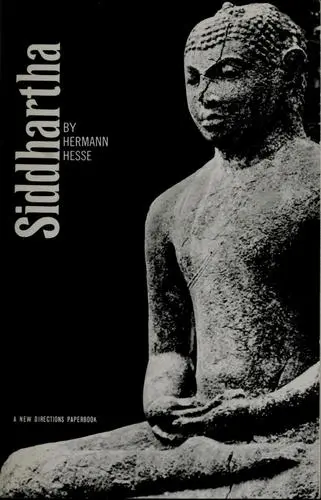
Siddhartha
He sat with the Buddha and walked away. Wisdom cannot be taught. It can only be lived.
The Path That Cannot Be Given
Hermann Hesse's 1922 novella follows Siddhartha, the son of a Brahmin in ancient India, who abandons his privileged life to seek spiritual truth. He apprentices with ascetics, encounters the Buddha himself and respectfully refuses his teachings, immerses himself in worldly pleasures and commerce, and finally finds his own form of enlightenment beside a river. The novel is a hymn to the belief that each person must travel their own road to understanding.
Reading Siddhartha
Stillness
/
Stage
"Wisdom cannot be imparted. Wisdom that a wise man attempts to impart always sounds like foolishness to someone else.
"Hermann Hesse
Hesse spent years studying Indian philosophy and Sanskrit before writing Siddhartha. He has said the novel was his most personal work, written as he emerged from a long personal crisis and his own encounter with Jungian psychoanalysis.
Though overlooked initially, Siddhartha became a counterculture touchstone in the 1960s and 1970s in the United States, particularly among readers drawn to Eastern philosophy. It has sold tens of millions of copies.