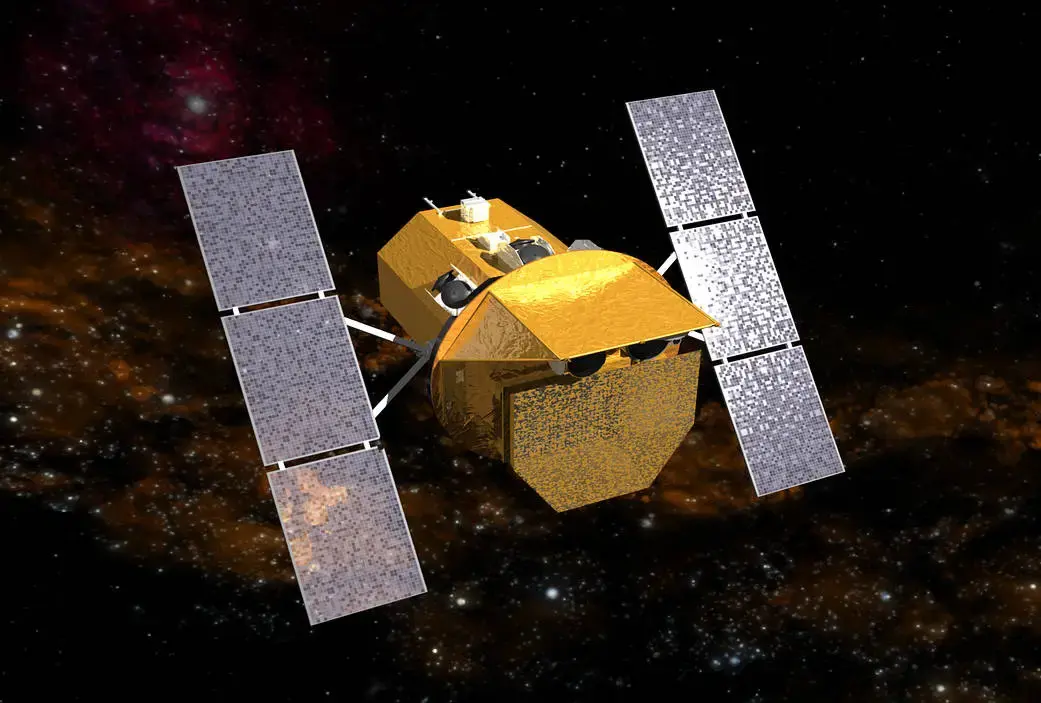
In orbit
21 years (since Nov 2004)
Mission cost
$30 million rescue contract
Current altitude
dropping toward 186 mi (300 km)
Target altitude
373 mi (600 km) after boost
LINK spacecraft mass
3,200 lb (1,451 kg)
Rescue company
Katalyst Space Technologies
A telescope worth saving
The Neil Gehrels Swift Observatory has spent 21 years hunting the most violent explosions in the universe: gamma-ray bursts. These events last seconds to minutes and never repeat in the same spot. Swift detects them, locates them, and alerts every other telescope on Earth within 60 seconds, a feat no other spacecraft can match. It still has years of science ahead of it. The problem is gravity. Unusually high solar activity since 2022 has puffed up Earth's upper atmosphere, increasing the drag on Swift's orbit. Without a boost, it will fall below a safe threshold this month and burn up by October.
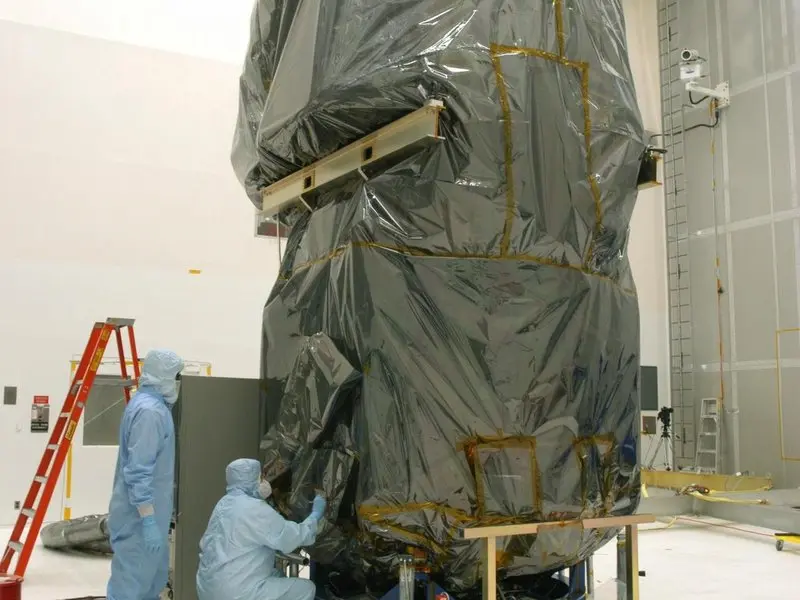
Built to last, not to be serviced
Swift was designed to operate autonomously, not to be grabbed and towed. Katalyst had nine months and $30 million to build a spacecraft that could do exactly that.
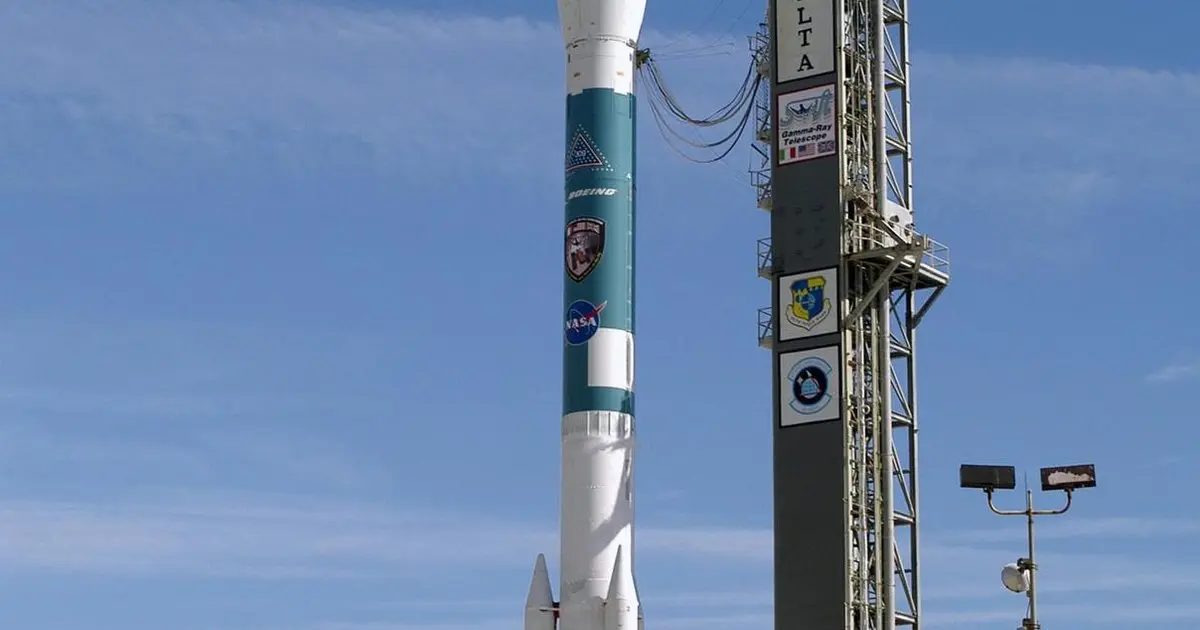
The Delta II lifts Swift into orbit. November 20, 2004.
"All of this is challenging and risky. Swift was never meant to be serviced. We are asking a robot to do something no robot has ever done to a spacecraft that was not designed to receive it.
"NASA mission scientist
LINK is equipped with three robot arms fitted with hand-like grippers, five sensor systems, and three ion thrusters. It launched July 3 from the Marshall Islands on a Pegasus XL rocket and is now in orbit approaching Swift.
Timeline: rendezvous expected by late July, orbital boost complete by September, science operations resume by October if all goes well. Swift would be back scanning for gamma-ray bursts before the end of 2026.
If LINK succeeds, it will be the first time a commercial robotic spacecraft has captured and boosted an uncrewed NASA satellite that was not designed to be serviced. A new era for satellite life extension.