
The Dancing Plague of 1518
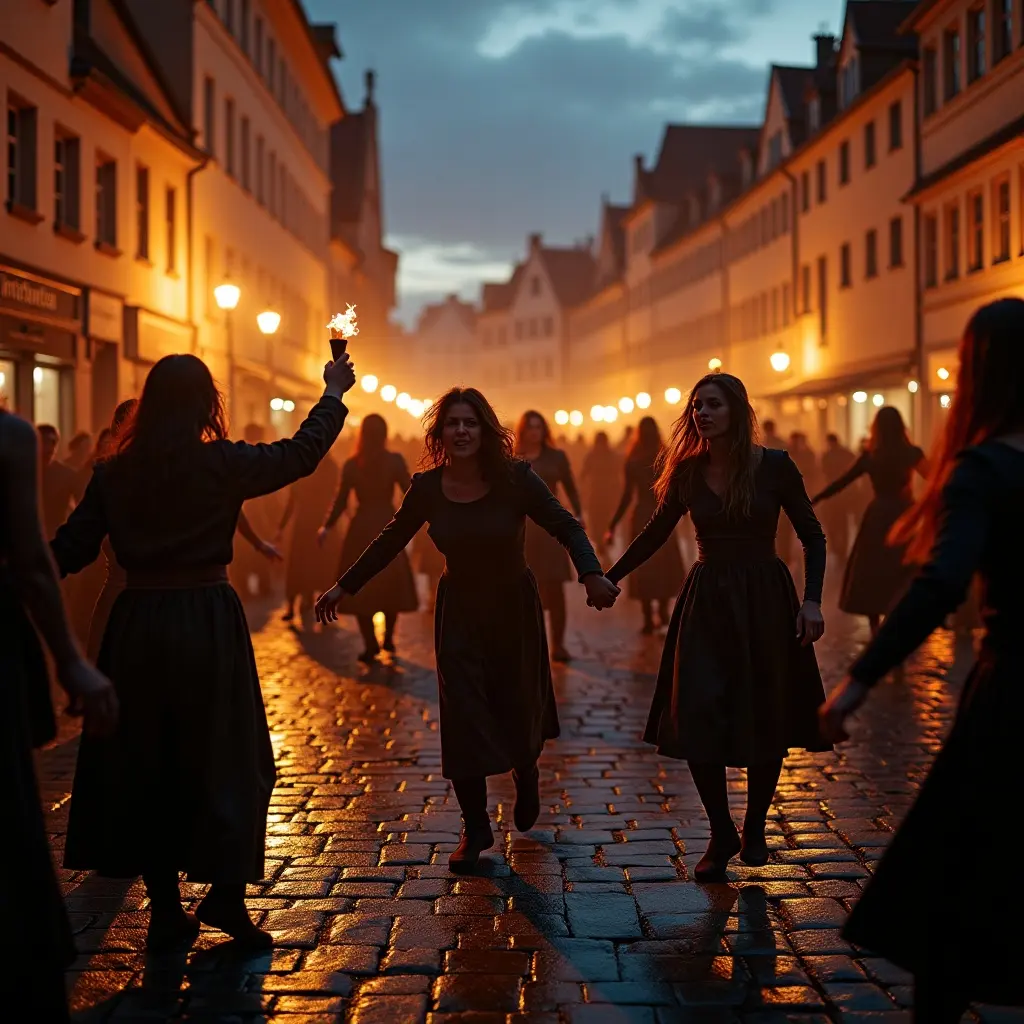
In mid July 1518, a woman named Frau Troffea stepped into a street in Strasbourg and began dancing. She danced for days without rest. Within a week thirty four others had joined her. Within a month the number had reached four hundred. Physicians examined them and, rejecting the supernatural explanation, recommended more dancing. The city authorities hired musicians and cleared a hall. Some participants danced until their feet bled. Some danced until their hearts gave out. The plague lasted approximately two months and then stopped.
Duration
Mid July to September 1518, Strasbourg, Alsace.
Participants
Approximately 400 at peak. Mostly women.
Medical response
Physicians ruled hot blood and prescribed more dancing to purge it.
Deaths
Contemporary sources suggest dozens died of exhaustion and heart failure.
Context
Strasbourg was experiencing famine, syphilis outbreaks and intense religious anxiety in the same per
"Many hundreds were seized with the dancing sickness. They danced day and night until they collapsed, and some did not rise again.
"Sebastian Brant
The explanations
Historian John Waller has argued the outbreak was a stress induced mass psychogenic illness, triggered by the grinding misery of the period and a folk belief that Saint Vitus could curse people with compulsive dancing. Ergot poisoning, a fungal contamination of rye that causes convulsions, has been proposed but does not produce coordinated movement. No explanation is fully satisfying.
At least ten other dancing plagues are recorded in Europe between the 10th and 17th centuries. Strasbourg in 1518 is the best documented.
Ergotism, the most commonly cited physical cause, produces spasms and hallucinations. It does not produce rhythmic dance movements sustained over weeks.